What is Excavation
More Maryland Excavation News

What Is Excavation? A Southern Maryland Homeowner's Guide
Excavation is the process of moving earth, rock, and other material to prepare a site for construction — everything from digging a new home foundation to grading a driveway or clearing land for a subdivision. If you're planning a build in Calvert, St. Mary's, or Charles County, understanding what excavation actually involves helps you know what to expect, what to budget, and what questions to ask before hiring a contractor.
What Does an Excavation Contractor Actually Do?
An excavation contractor prepares land so it's safe and ready to build on. In Southern Maryland, that typically includes:
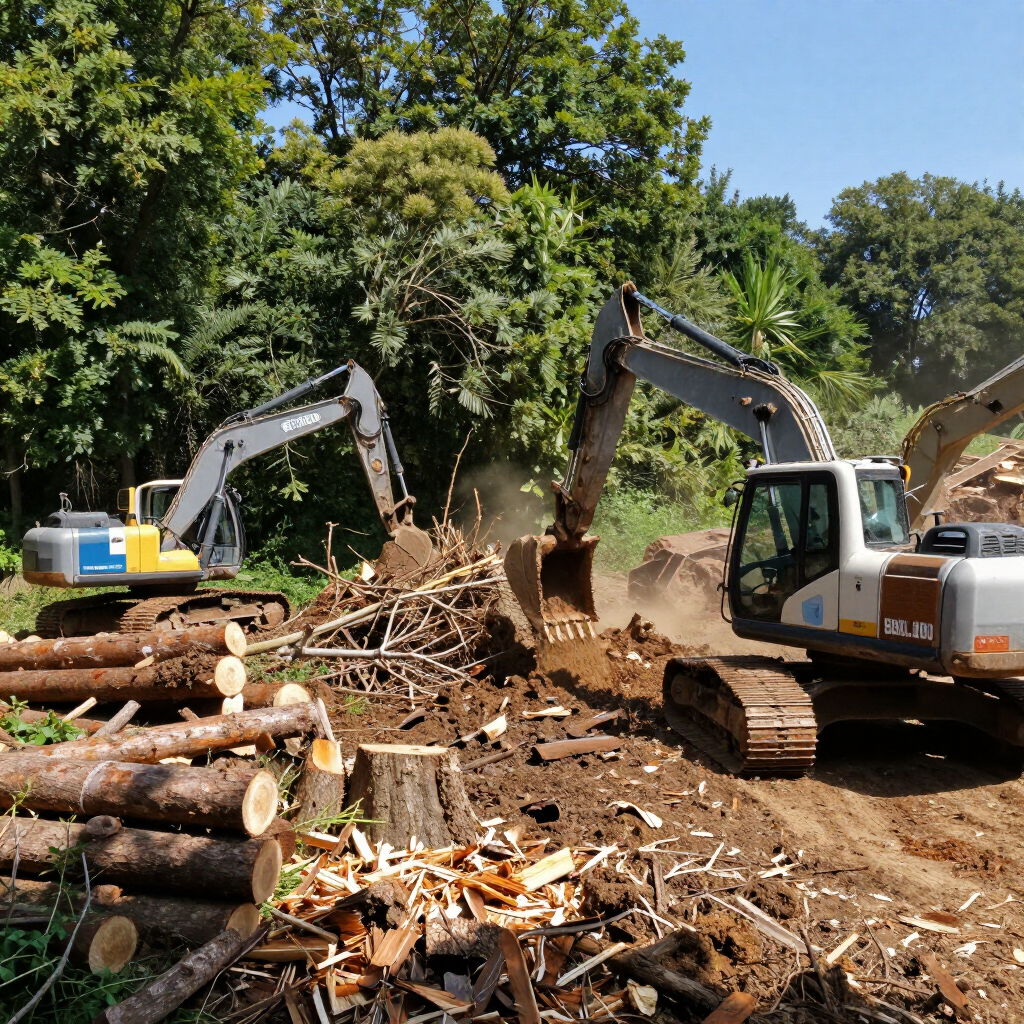
- Site clearing — removing trees, brush, and debris before any digging starts
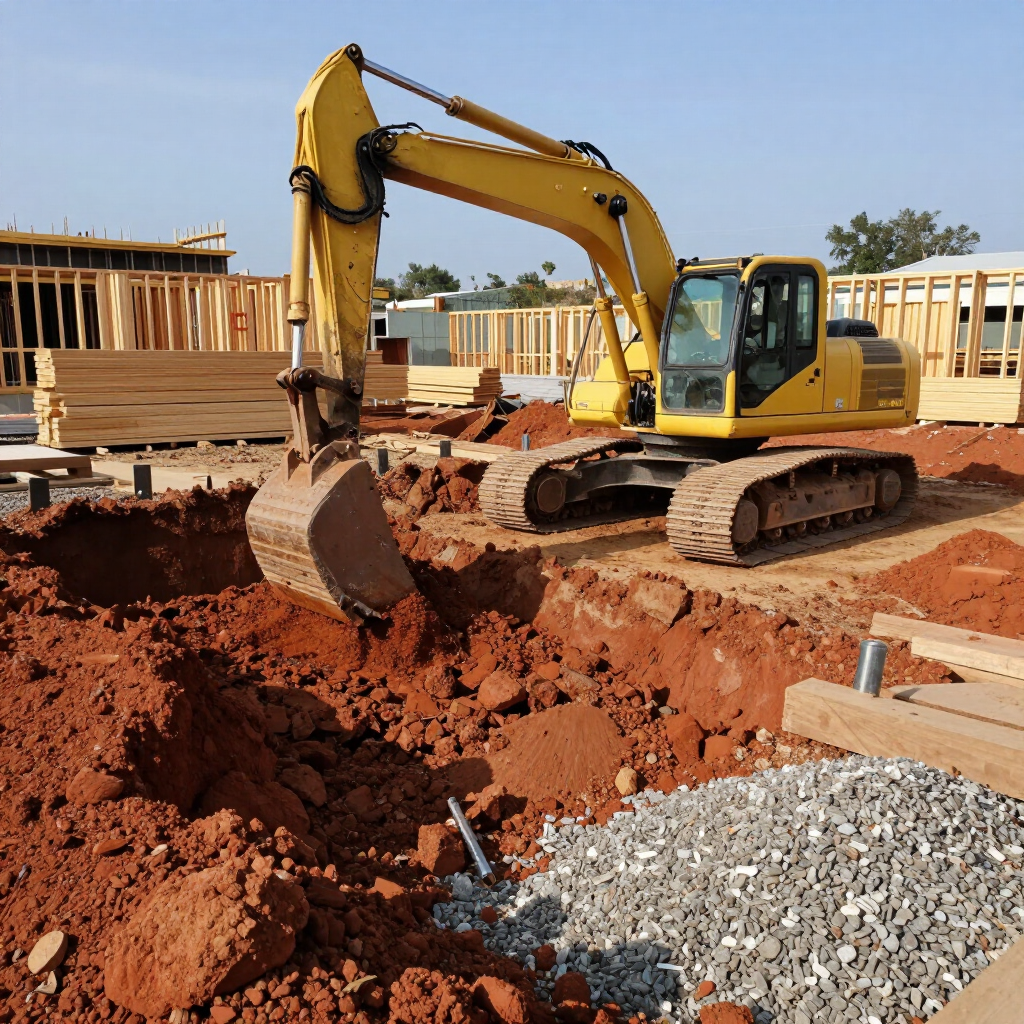
- Foundation digging — excavating to the correct depth for slabs, crawl spaces, or basements based on Maryland's frost line and local soil conditions
- Grading and leveling — shaping the land for proper water drainage away from structures, which matters especially in our area's clay-heavy and low-lying soils
- Trenching — digging for utility lines, septic systems, and drainage
- Land clearing and grubbing — removing vegetation and root systems for new development
- Demolition and hauling — taking down structures and removing debris
- Ground de-watering — managing high water tables common near the Chesapeake Bay and its tributaries
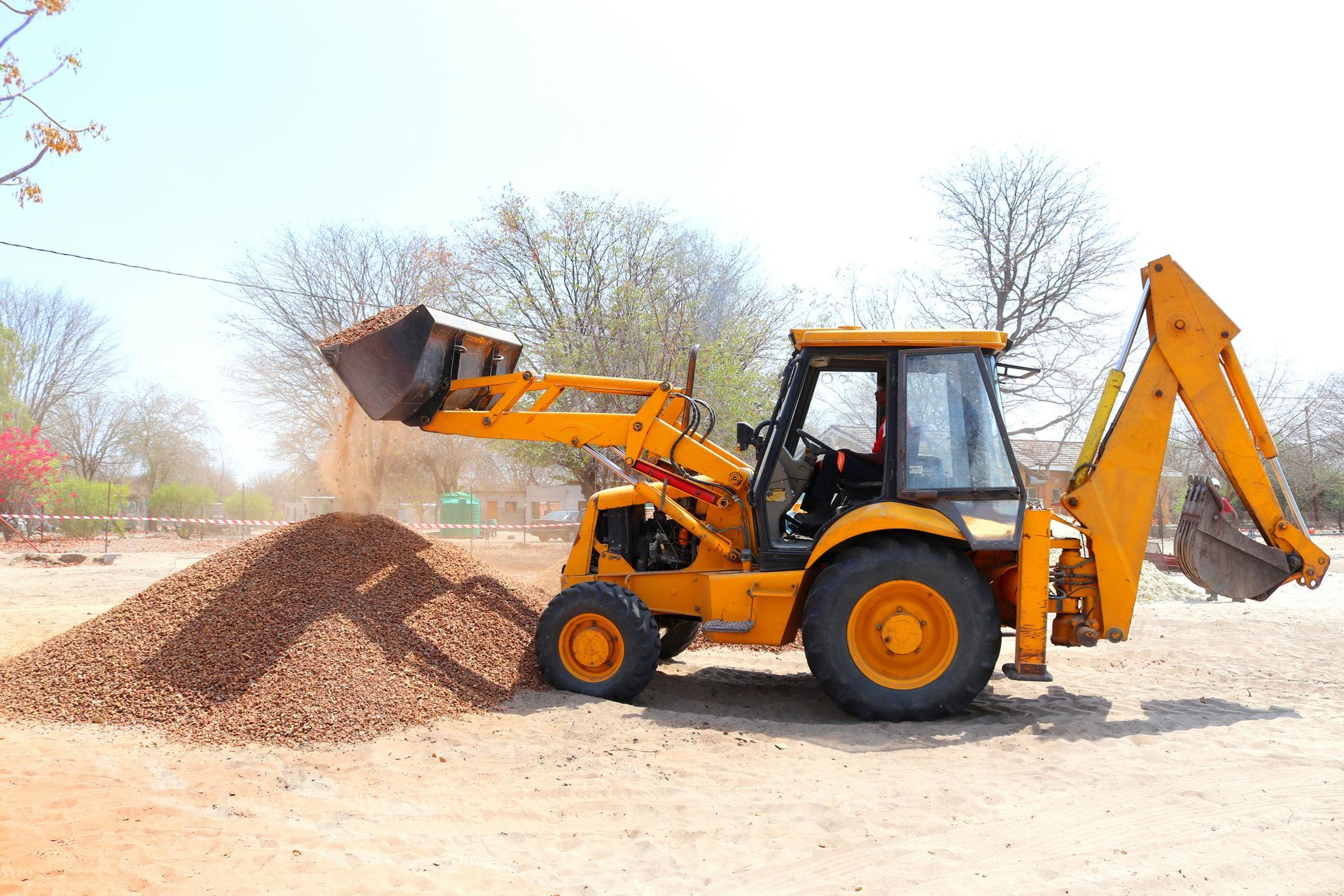
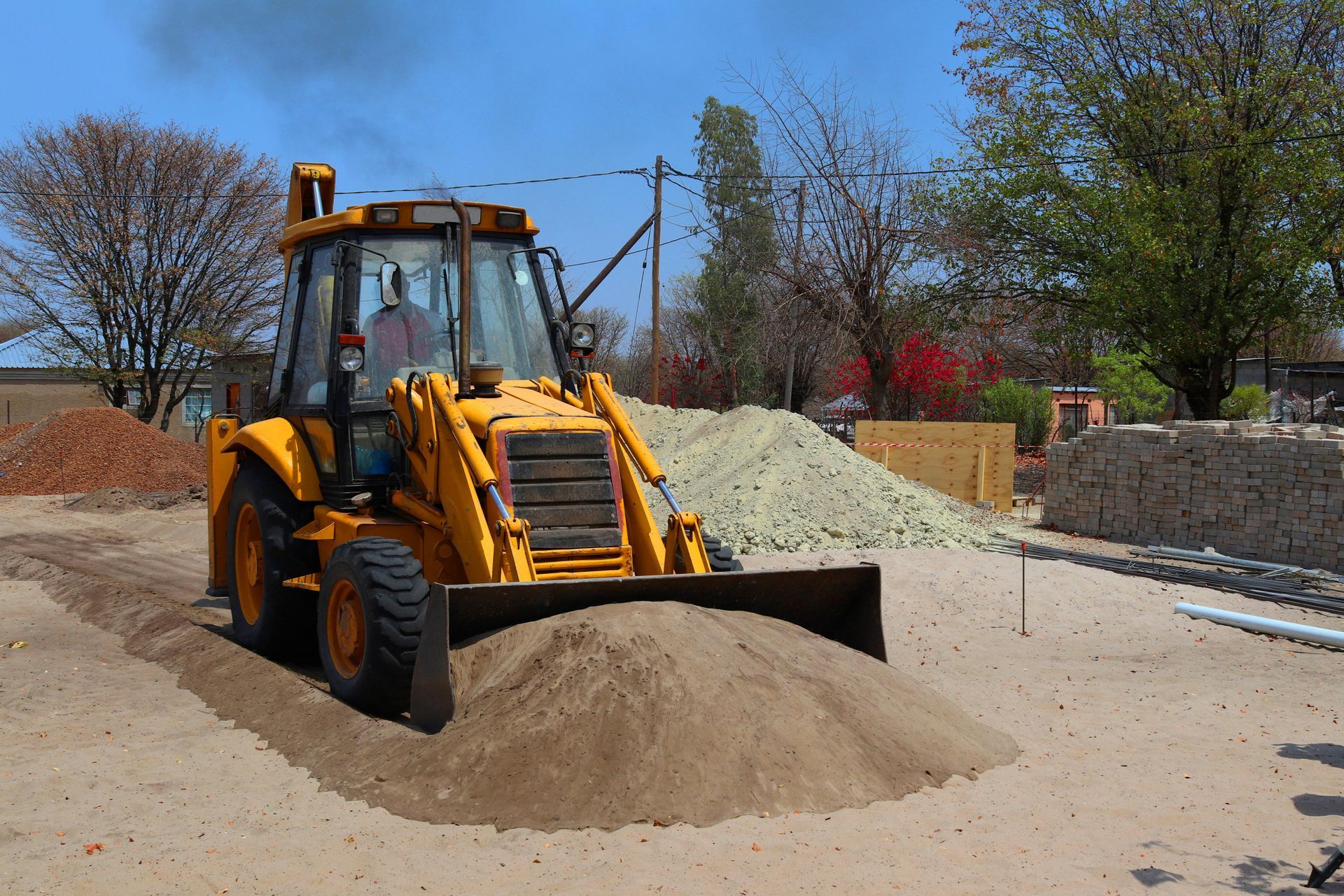
Most of this work relies on heavy equipment — excavators, backhoes, and dozers — run by operators trained to move large volumes of soil quickly and precisely.
Why Excavation Depth and Method Matter Locally
Excavation isn't one-size-fits-all. Depth and approach depend on:
- Foundation type — a slab needs far less excavation than a full basement
- Soil composition — Southern Maryland's mix of clay and sandy loam drains differently across Calvert, St. Mary's, and Charles counties, which affects how a site is graded
- Water table and proximity to the Bay — properties near Solomons, the Patuxent, or the Potomac often need extra attention to de-watering and drainage planning
- Local permitting requirements — county building and grading permits often dictate erosion control measures before a shovel touches the ground
Is Excavation Safe? What to Expect on Site
Excavation work carries real risk if it's not handled correctly. Reputable contractors follow OSHA trenching and excavation standards, including:
- Using trench boxes or shoring for any excavation deep enough for a worker to enter
- Calling for utility locates (Miss Utility) before digging
- Monitoring soil stability, especially after heavy rain — a real factor given our humid Mid-Atlantic climate
- Keeping equipment and spoil piles a safe distance from trench edges
If you're hiring a contractor, ask directly about their safety protocols and MHIC/MDOT licensing before work begins.
How Much Does Excavation Cost?
Excavation pricing depends on the scope of work, soil conditions, site access, and how much material needs to be removed or brought in. A small drainage trench costs far less than a full basement dig or a commercial pad-ready site. The most reliable way to get an accurate number is a site walk with a local contractor who knows the area's soil and permitting requirements — ballpark estimates from national sites rarely hold up once they see your actual lot.
Why Hire a Local Southern Maryland Excavation Company
National estimates and generic guides can't account for Calvert County's clay soils, St. Mary's County's proximity to the water table, or the specific grading and drainage permits each county requires. A local, licensed excavation contractor already knows:
- Which county offices handle permitting and how long approvals typically take
- How local soil and drainage patterns affect grading plans
- What equipment access looks like on typical Southern Maryland lots — wooded, waterfront, or rural
Frequently Asked Questions
What's the difference between excavation and grading?
Excavation removes soil and material to create space — for a foundation, trench, or basement. Grading shapes and levels the surrounding land afterward, primarily for drainage and a stable building surface.
Do I need a permit for excavation in Maryland?
In most cases, yes. Calvert, St. Mary's, and Charles counties each require grading or building permits for excavation work tied to construction, and larger projects often need erosion and sediment control plans. A local contractor can confirm what applies to your specific project.
How deep does excavation need to be for a home foundation?
It depends on the foundation type and Maryland's frost line. Slab foundations typically need less depth than crawl spaces, and basements require the deepest excavation. Soil conditions on your specific lot also factor in.
How long does residential excavation take?
A straightforward foundation dig or driveway grading job might take one to a few days; larger site development or land clearing projects can take one to several weeks depending on size, weather, and permitting timelines.
Scaggs Excavating provides commercial and residential excavation, site development, and demolition services throughout Calvert, St. Mary's, and Charles counties. Get a quote or call 410-257-6763 to talk through your project.