Wet Basement Solutions
Keys to Fixing Wet Basements…
If you've ever walked into your basement after a heavy rain and felt that damp, musty chill, you're not alone. Between Southern Maryland's clay-heavy soil, high water table, and storms rolling in off the Chesapeake Bay, wet basements and soggy crawlspaces are one of the most common headaches for homeowners in Calvert, Charles, and St. Mary's counties.
The good news: most water problems have a clear cause and a proven fix. Here's how to figure out what's going on and what it takes to get your basement dry for good.
Why a Wet Basement Is Worth Fixing Sooner Rather Than Later
A little dampness may seem like an annoyance, but water that keeps coming back does real damage over time. It can:
- Feed mold and mildew that affect air quality and set off allergies
- Ruin stored belongings, flooring, and finished spaces
- Weaken concrete, block walls, and the foundation itself
- Attract termites, carpenter ants, and other pests
- Lower your home's value and complicate a future sale
Step 1: Find Where the Water Is Coming From
Before you spend a dollar on a fix, you need to know the source. Start outside, because many "basement problems" actually begin in the yard:
- Grading that slopes toward the house. Soil should fall away from your foundation. If it pitches the other way, every storm sends water straight to your walls.
- Gutters and downspouts. Clogged gutters overflow, and short downspouts dump gallons right beside the foundation. Extending them several feet out makes a big difference.
- Window wells. Poorly drained wells fill like buckets and leak inside.
- Hydrostatic pressure. When the ground around your home is saturated, groundwater pushes through cracks, floor joints, and porous block.
Inside, watch for white chalky residue on walls (efflorescence), peeling paint, stains near the floor line, musty odors, or damp spots that appear after rain.
Step 2: Pick the Right Solution for the Problem
Regrading and Surface Drainage
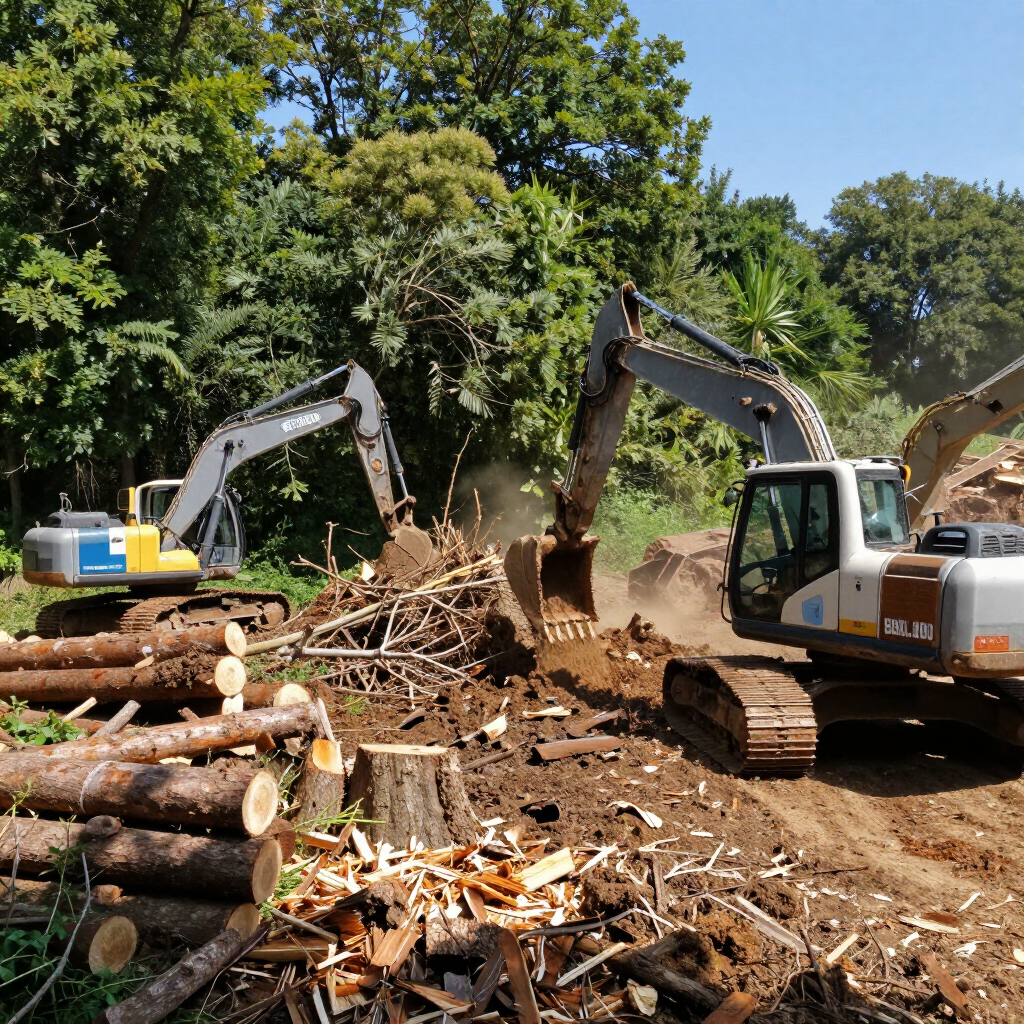
If water is pooling near the house, correcting the slope and redirecting runoff is often the most affordable and effective first move. It's also the kind of work excavation equipment is built for.
Exterior Waterproofing and Barriers
Sealants and waterproof coatings can slow moisture through foundation walls, and in crawlspaces a heavy-duty vapor barrier keeps ground moisture from rising into your home. Exterior waterproofing is typically the most thorough option because it stops water before it reaches the wall, but it requires digging down along the foundation.
Perimeter and French Drains
Drains collect water and carry it somewhere harmless. Exterior drains are installed around the footing or across a wet yard, while interior drains run along the inside of the basement floor. Over time, drains can clog with silt and roots, so they're worth inspecting if an older system stops keeping up.
Sump Pumps
When groundwater is the culprit, a sump pump collects it in a basin and pushes it out and away from the house. Storms often knock out power right when you need the pump most, so a battery backup or generator-powered backup is strongly recommended.
Why This Isn't a Weekend DIY Project
Painting a wall with sealant may hide the damp spot for a season, but it won't stop water that is under pressure. Fixing the real cause usually means digging along the foundation, setting proper drainage slope, and selecting materials that hold up in our soils. Getting it wrong can cost more than doing it right the first time. A trained contractor can diagnose the source and recommend the fix that fits your property and budget.
Frequently Asked Questions
What causes a wet basement in Southern Maryland?
Most cases come down to poor grading, overflowing or short gutters and downspouts, a high water table, or clay soil that holds water against the foundation after heavy rain.
Can I fix a wet basement from the inside only?
Interior drains and sump pumps manage water that has already reached your foundation, and they work well for many homes. If the water is coming from poor drainage around the house, fixing the outside usually gives the longest-lasting results.
Do I really need a backup for my sump pump?
Yes. Power outages are common during the storms that cause flooding, and a pump with no power can't protect your basement. A battery or generator backup adds peace of mind.
When should I call a professional?
Call if water keeps returning after rain, you see cracks or bowing walls, mold keeps coming back, or you're not sure where the water is coming from. A site visit can pinpoint the cause before you spend money on the wrong fix.
Get Your Basement Dry with Scaggs Excavating
Scaggs Excavating has been helping homeowners across Calvert, Charles, and St. Mary's counties solve drainage and water problems from the ground up, serving Owings, Dunkirk, Huntingtown, Prince Frederick, Solomons, Lusby, Chesapeake Beach, North Beach, Leonardtown, Lexington Park, Waldorf, La Plata, and surrounding communities.
Tired of a damp, musty basement? Request a quote or call us at 410-257-6763 and let's find out where your water is coming from.
By Deborah Naugle