How Deep Does Excavation Need To Be For A Home Foundation?
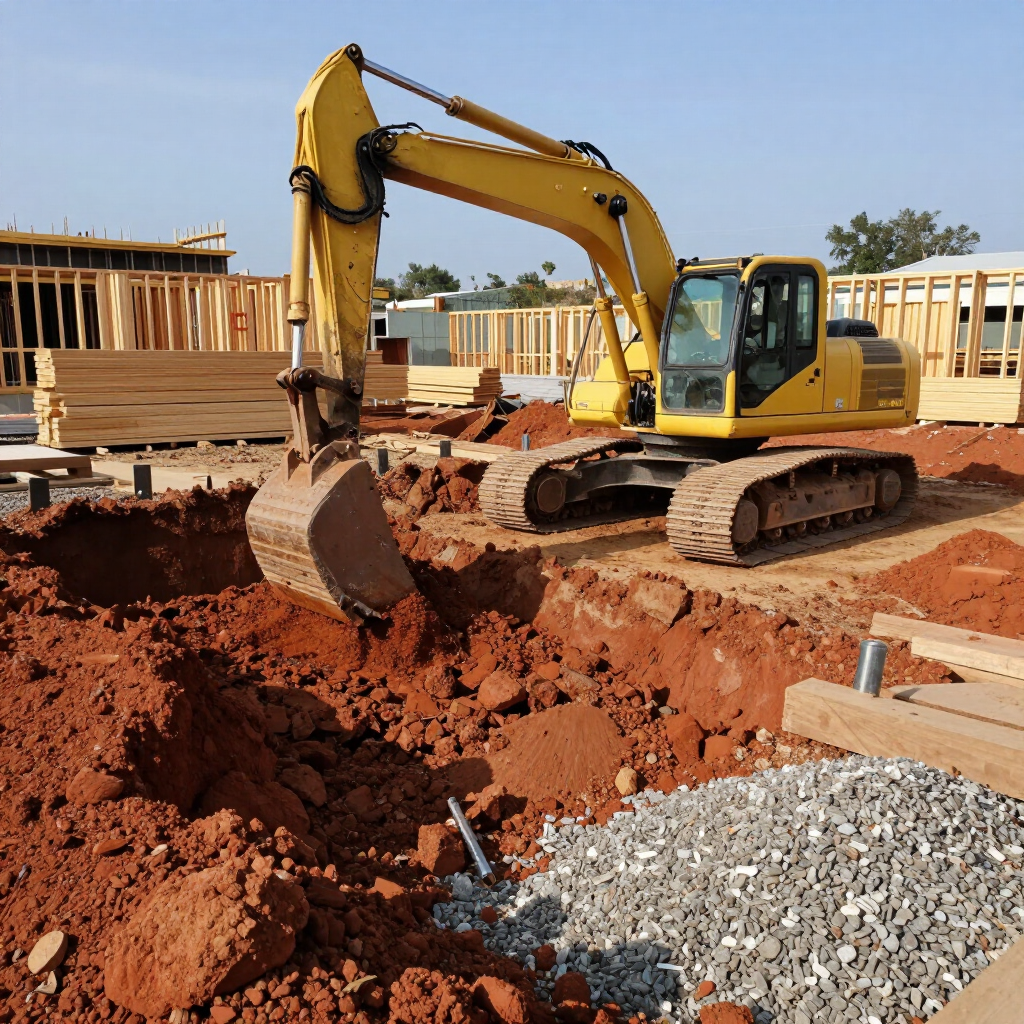
How Deep Does Excavation Need to Be for a New Home Foundation?
One of the most common questions homeowners and builders ask before breaking ground is: how deep does the excavation need to go? The honest answer is — it depends. Foundation depth is determined by a combination of soil conditions, frost depth, building design, and local code requirements. Get it wrong, and you're looking at structural problems down the road. Get it right, and your home starts on solid ground — literally.
At Scaggs Site Development, we've prepared building sites across Southern Maryland and Calvert County, and we know what it takes to excavate to the right depth for lasting results. Here's what you need to know.
Why Foundation Depth Matters
Your foundation carries the entire weight of your home and transfers that load to the soil beneath it. If the excavation is too shallow, the foundation can shift, crack, or heave — especially in freeze/thaw cycles. If it's unnecessarily deep, you're adding cost without benefit. The goal is to reach a depth that provides stable bearing capacity while keeping the foundation below the frost line.
The Frost Line: The Starting Point for Any Foundation
In Maryland, the frost depth — the depth at which ground moisture freezes — is typically 18 to 24 inches. Building codes require that all foundation footings be placed below this depth to prevent frost heave, which is the expansion and contraction of frozen soil that can push a foundation out of position.
For most new homes in Southern Maryland and Calvert County, footings are excavated to a minimum depth of 24 inches below finished grade, though actual depth will vary based on your specific site and structural plans.
Foundation Types and Their Typical Excavation Depths
The type of foundation your home uses has a major impact on how deep excavation needs to go.
Slab-on-Grade Foundation
A slab foundation sits directly on the ground with no crawl space or basement. Excavation for a slab is relatively shallow — typically 12 to 24 inches — primarily to remove topsoil and soft material, then compact a stable subbase before the concrete is poured. Footings at the perimeter will still need to reach below frost depth.
Crawl Space Foundation
A crawl space foundation requires excavation deep enough to create clearance between the ground and the floor joists above — usually 18 to 36 inches of depth below grade. The perimeter walls and footings need to extend below the frost line, with enough height above grade to keep moisture and pests away from the structure.
Full Basement Foundation
Basements require the deepest excavation of any foundation type. To achieve a usable ceiling height of 8 to 9 feet inside the basement, plus the thickness of the floor slab and footings, expect excavation depths of 8 to 10 feet or more below grade. The exact depth is calculated from the finished floor elevation down, accounting for the footing bearing depth, slab thickness, and any drainage requirements beneath the slab.
Soil Conditions Change Everything
Even with a standard building plan, your excavation depth can change based on what we find in the ground. Southern Maryland soils vary widely — from dense, well-draining sandy loam to soft, compressible clay that's poor at bearing structural loads. In some cases, excavation must go deeper to reach competent bearing soil, or engineered fill must be brought in and compacted in lifts to build up the subbase.
This is why site-specific soil evaluation matters. A geotechnical report or soil boring can identify the load-bearing capacity of your soil before a shovel ever hits the ground.
Local Code and Engineering Requirements in Calvert County
Calvert County follows the International Residential Code (IRC) as adopted by the State of Maryland, which sets minimum footing depths based on frost protection, soil bearing values, and load calculations. Your structural engineer or architect will specify the required footing depth on the foundation plan, and your excavation contractor is responsible for hitting those depths accurately.
Scaggs Site Development works closely with builders, engineers, and general contractors across Southern Maryland to make sure excavation meets plan specifications and passes inspection before any concrete is poured.
What the Excavation Process Looks Like
Here's a general overview of what happens during foundation excavation for a new home:
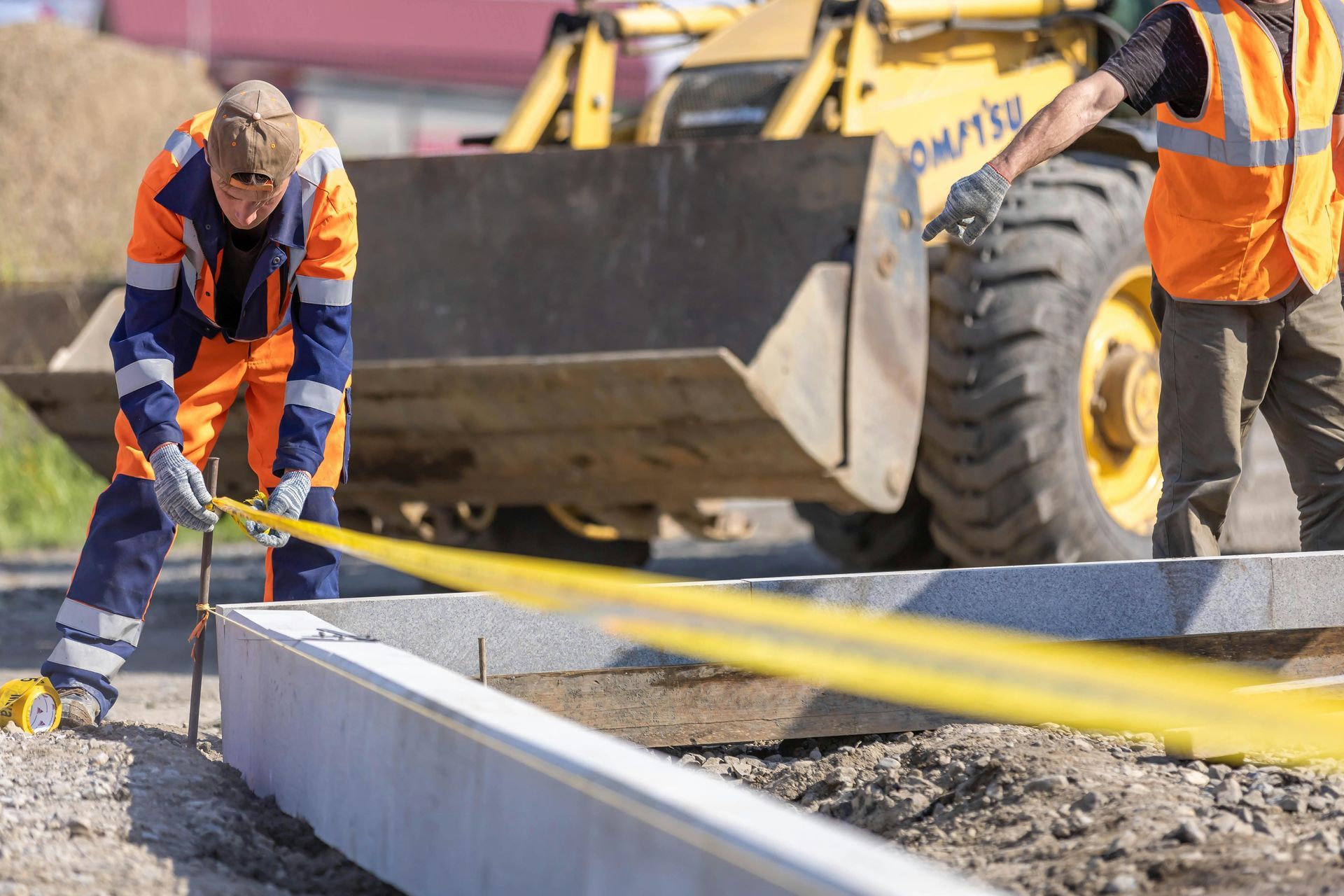
- Site layout and staking — The building footprint is marked out based on the site plan.
- Topsoil stripping — The organic layer is removed and stockpiled or hauled away.
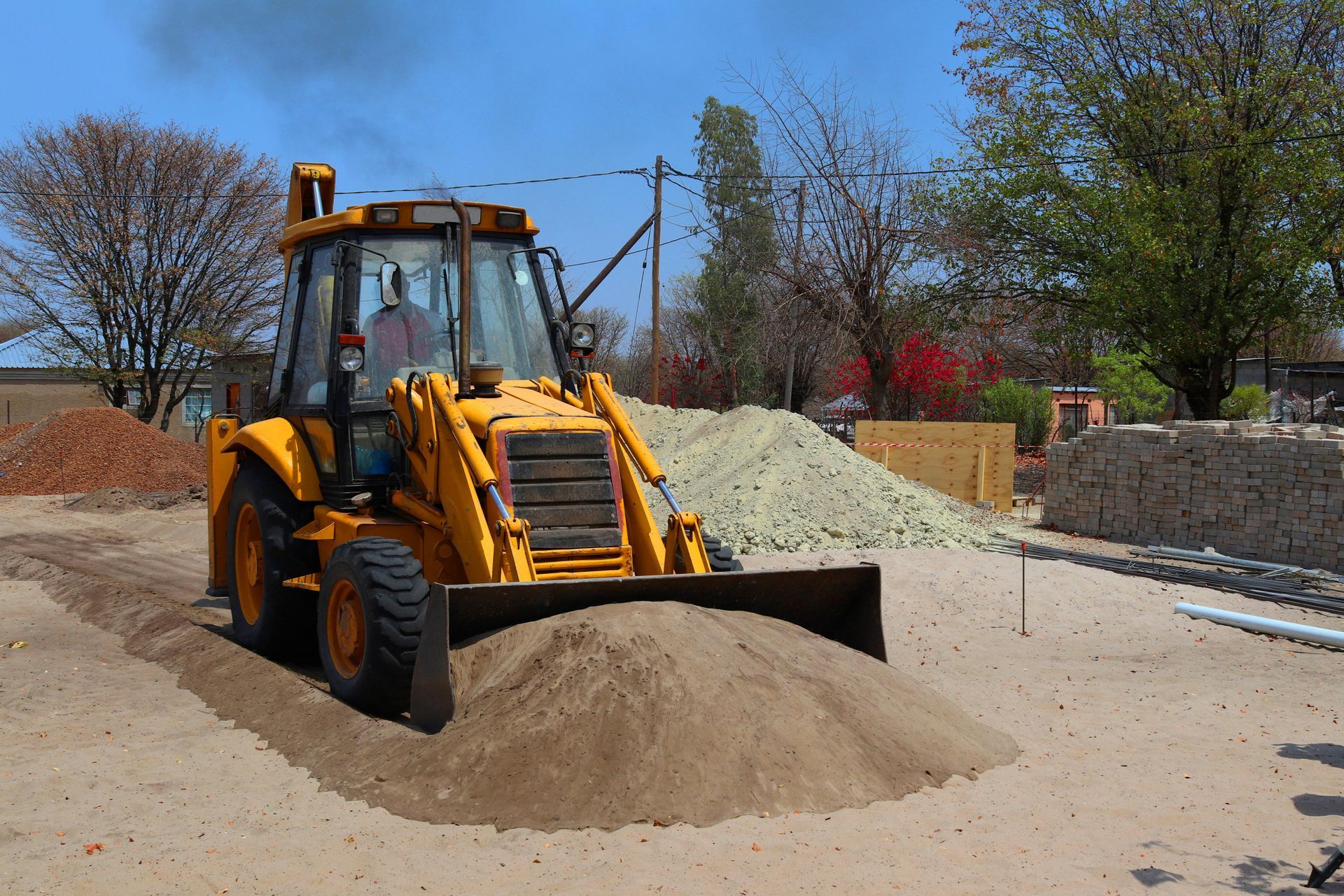
- Bulk excavation — Equipment excavates the building area to the rough depth required by the foundation type.
- Footing trenches — Perimeter and interior load-bearing footings are cut to the precise depth called out on the structural drawings.
- Subbase preparation — The bearing surface is inspected, compacted, and prepared for forms or concrete.
- Backfill and grading — Once the foundation is complete, the area around it is backfilled, compacted, and rough-graded to direct water away from the structure.
Proper compaction at every stage is critical. Loose backfill that settles after construction can cause foundation movement and drainage failures around the perimeter.
How Much Does Foundation Excavation Cost?
Foundation excavation costs in Southern Maryland depend on the size of the footprint, the depth required, soil conditions, access to the site, and what happens to the spoils (excavated material). Basement excavations require significantly more equipment time and material hauling than slab or crawl space jobs. Rock or extremely hard clay can also add cost if it requires specialized equipment to break up.
The best way to get an accurate number is to have a site evaluation done before you price the project. Contact Scaggs Site Development for a free consultation on your new home build.
Frequently Asked Questions About Foundation Excavation Depth
How deep do footings need to be in Maryland?
In Maryland, footings must be placed below the frost line, which is typically 18 to 24 inches. Most residential footings in Calvert County and surrounding areas are excavated to a minimum of 24 inches below finished grade, with deeper requirements depending on soil conditions and structural loads.
How deep is a typical basement excavation?
A standard full basement excavation is 8 to 10 feet deep below grade to allow for adequate ceiling height inside the finished basement, plus the footing bearing depth. Walk-out basements on sloped lots may vary.
What happens if you don't excavate deep enough?
Shallow footings are vulnerable to frost heave, soil movement, and settlement. This can cause foundation cracking, uneven floors, sticking doors, and in serious cases, structural failure. Proper depth is not optional — it's required by code and enforced through inspections.
Do you need a permit for foundation excavation in Calvert County?
Yes. New home construction in Calvert County requires permits from the Department of Planning and Zoning. Excavation and foundation work is inspected before concrete is poured to verify that depths and bearing conditions meet the approved plans.
How long does foundation excavation take?
A typical residential foundation excavation takes one to three days depending on the size of the home, the foundation type, soil conditions, and site access. Basement excavations with significant spoil hauling may take longer.
Can you excavate during winter in Southern Maryland?
In most winters, yes. Southern Maryland rarely sees ground frost deep enough to prevent excavation entirely, but frozen ground at the surface can slow progress. Your contractor can advise on timing based on current conditions.
Ready to break ground on your new home? Scaggs Site Development provides professional excavation and site preparation services throughout Southern Maryland and Calvert County. Get in touch to talk through your project and get a quote.