Digging a Basement
An Excavation Company Near Me Understands Talks about Digging a Basement
The Ultimate Guide to Digging a Basement: What You Need to Know
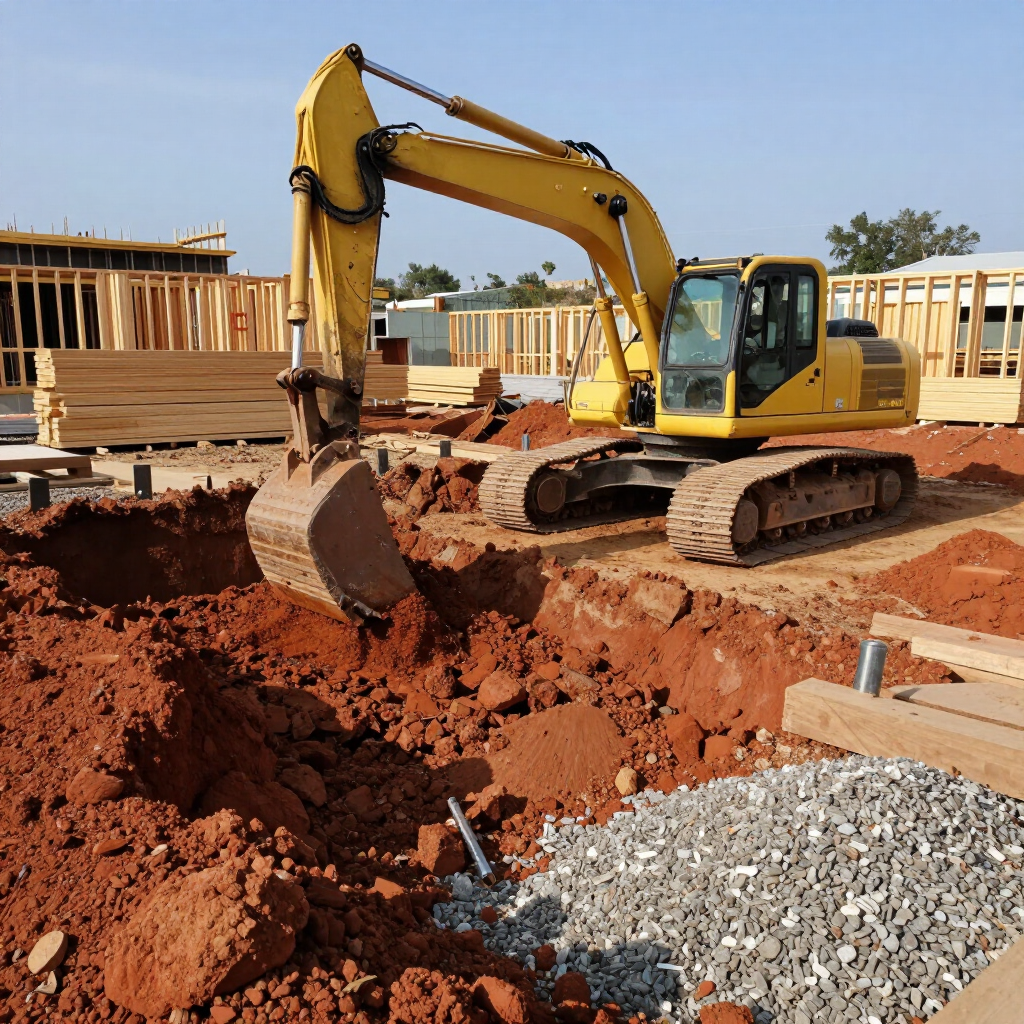
Excavating a basement is one of the most critical phases of building a new home. It’s more than just moving dirt; it’s about creating a stable, long-lasting foundation for your investment. Whether you are building in Calvert, Charles, or St. Mary’s County, understanding the logistics of basement excavation can save you time, money, and stress.
What You’ll Find in This Article
- The Planning Phase: Why engineered drawings are your first step.
- Permits & Approvals: Navigating local Maryland regulations.
- Property Line Setbacks: How to ensure your home fits your lot perfectly.
- The Excavation Process: What to expect when the heavy equipment arrives.
- FAQs: Common questions about basement digging.
Step 1: Secure Your Engineered Plans
Before an excavator ever touches your property, you need a solid plan. Once you own your land, the next step is having professional blueprints drawn. In Southern Maryland, these plans typically require an engineering stamp to ensure they meet specific safety and structural standards.
Having these plans finalized is vital. We often see homeowners eager to start digging, but we recommend waiting until every "duck is in a row." Putting money into an excavation before your plans are approved can lead to costly re-work if the county requires changes to your foundation footprint.
Step 2: Navigate Permits and Approvals
While you might technically own the dirt, you usually cannot begin building—or even digging—without county or community approval. Your excavation contractor should be a partner in this process, assisting you in gathering the necessary permits. At Scaggs Excavating, we work closely with homeowners to ensure all legal requirements are met before the machinery is mobilized.
Step 3: Understanding Property Line Setbacks
One of the most common hurdles in site development is the "setback" requirement. This is the minimum distance required between your home and your property lines. It is essential to check with your local governing body regarding setbacks for all sides of the house (front, back, and sides) before finalizing your house plans.
For example, many residential zones require:
- Front/Back: Often 25 feet from the road or rear property line.
- Sides: Frequently a minimum of 12 feet on one side and 8 feet on the other.
Pro Tip: Remember that setbacks often apply to the closest extending part of the house. If you have an 18-inch kickout or a bay window, the measurement starts from that extension, not necessarily the foundation wall.
Step 4: Site Assessment and Layout
Before the dig begins, we assess the shape of the property to ensure the house footprint fits within the legal boundaries. We have encountered situations where original house plans had to be swapped for a different design because the property shape wouldn't accommodate the original layout while staying within setback limits. Catching these details early prevents massive financial losses during construction.
Summary: Your Foundation Starts with Preparation
Digging a basement is a complex process that relies heavily on accurate planning, legal compliance, and expert execution. By securing engineered plans, verifying your property setbacks, and working with an experienced Southern Maryland excavation team, you ensure that your home’s foundation is built on solid ground—both literally and legally.
How long does it take to dig a basement?
Typically, the actual excavation of a basement takes 2 to 5 days, depending on the soil conditions, the size of the footprint, and the weather.
Do I need a permit just to dig, or only to build?
In most Southern Maryland counties, you need an integrated permit that covers both the excavation and the construction. You should never start a dig without the proper site development permits in hand.
What happens if you hit rock or water while digging?
Experienced excavators use specialized equipment to handle rocky terrain. If we encounter a high water table, we may need to implement additional drainage solutions or adjust the basement's depth to ensure a dry, stable foundation.
Can I dig a basement for an existing home?
This is known as "basement underpinning." While much more complex than digging for a new build, it is possible with the right engineering and support structures.
For expert basement excavation and site development in Southern Maryland, call Scaggs Excavating today at 410-257-6763.